
Melbourne’s Leading Concrete Pouring Specialists
Oops! Something went wrong while submitting the form.
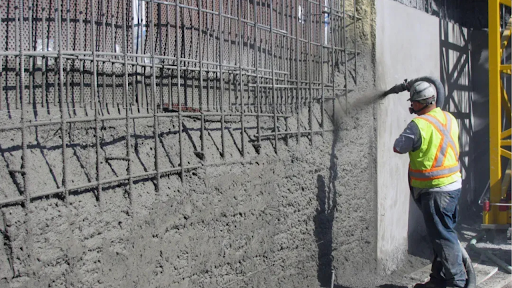
Many Melbourne projects struggle with slow concrete pours, tight access, and shapes that traditional formwork simply cannot handle. It holds up timelines and frustrates crews.
Concrete delays can snowball fast. One hiccup and your entire schedule shifts, creating stress for builders, homeowners, and anyone relying on a smooth pour. No one wants that on-site.
Shotcrete changes the game. This high-velocity method builds stronger, denser structures up to 30% faster, giving you speed, accuracy, and flexibility. In this guide, you will learn what shotcrete is, how it works, and why it is the go-to choice across Melbourne builds.
Shotcrete is a form of concrete applied through a high-pressure hose, allowing it to bond instantly to surfaces without the need for traditional formwork.
The material begins as a controlled mix of cement, aggregates, and water, then travels through specialised equipment that propels it at high velocity. This impact compacts the concrete on contact, creating a dense and durable layer that performs exceptionally well in structural applications.
Two primary methods are used in the industry: wet mix, in which the concrete is fully batched before pumping, and dry mix, in which water is added at the nozzle for greater moisture control.
Both approaches offer strong adhesion on vertical, curved, and overhead surfaces, which is why shotcrete is widely used for pool shells, retaining walls, basements, slope stabilisation, and architectural finishes. It delivers strength, versatility, and efficiency suited to Melbourne construction conditions.
Shotcrete follows a precise process that transforms raw materials into a strong, high-performing structure, and each step plays a key role in its reliability. See the process below:
Surface preparation and assessment come first. The crew inspects the substrate, removes loose material, muck, and dust, and then fixes any cracks or weak spots.
Reinforcement, such as mesh, bar chairs, and starter bars, is installed where required. Proper drainage, weep holes, and penetrations are planned so the shotcrete bonds cleanly and forms a stable base for spraying work onsite today.
Concrete materials are carefully batched according to the mix design that suits the project requirements. For wet mix, water is added to the agitator before pumping.
For the dry mix, water is kept separate and controlled at the nozzle. The pump or gunite machine then feeds material consistently, so pressure, flow, and consistency remain steady during application on site every single day.
A trained nozzle operator controls air, water, and concrete flow at the end of the hose. They hold the nozzle at the correct angle and distance from the surface, moving in steady passes.
This technique manages rebound, build-up, and coverage so the shotcrete knits together, wraps reinforcement, and builds the required thickness evenly across the prepared area very carefully.
Impact from the high velocity stream compacts the shotcrete as it hits the surface, squeezing out air pockets and locking around reinforcement.
Operators build up the section in layers, trimming off excess material as they go. This layered approach helps control sagging, maintain profiles, and achieve a dense, uniform finish that consistently meets strength and durability requirements on projects.
Once the design thickness is reached, the crew cuts, screeds, and shapes the fresh shotcrete to match levels, falls, or architectural profiles. Trowelling or broom finishing is completed as required.
Curing follows, using water spray, coverings, or curing compounds so the concrete gains strength properly and resists cracking under typical Melbourne climate conditions throughout the entire calendar year consistently.
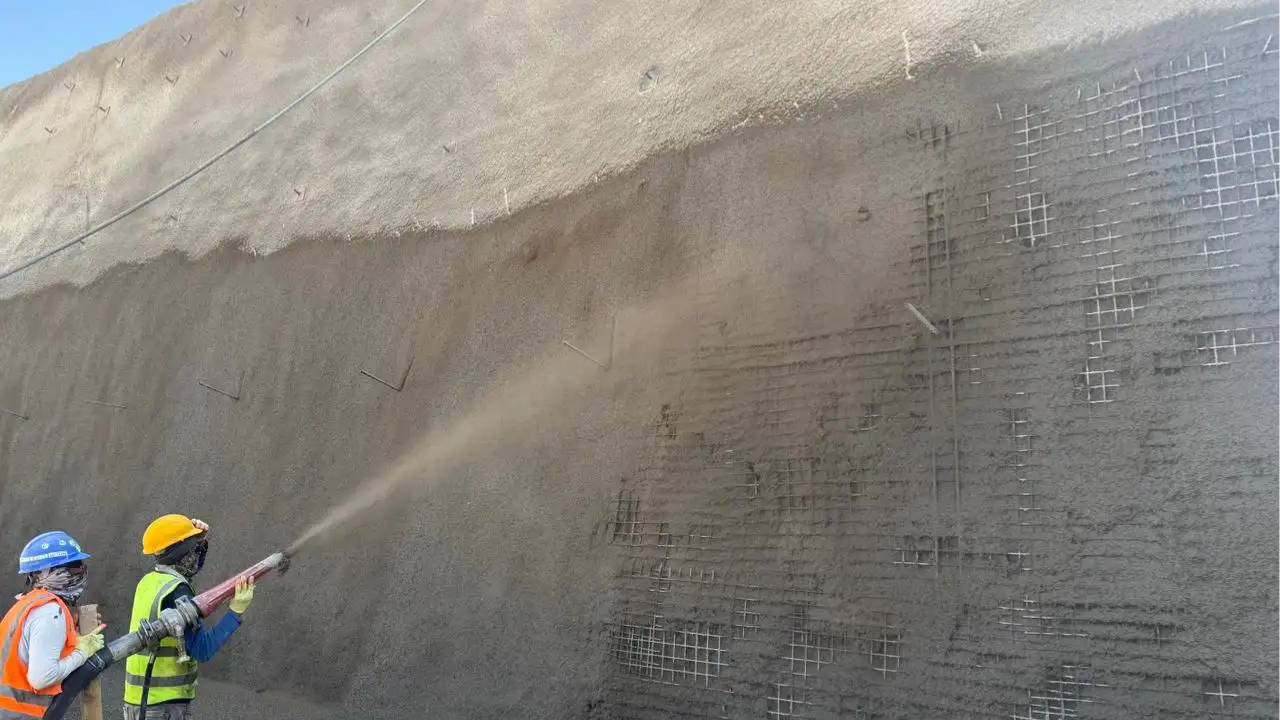
Choosing between wet mix and dry mix matters because each method delivers different strengths, efficiencies, and levels of control for Melbourne projects.
Wet mix shotcrete uses concrete that is fully batched with water before entering the pump, giving crews a consistent slump and predictable performance. The material is pumped through the hose, then accelerated with compressed air at the nozzle.
This method offers smoother placement, reduced rebound, and strong adhesion, which makes it a preferred choice for large pool shells, retaining walls, basements, and civil works where quality control and steady output matter most.
Wet mix also produces less dust, which creates a cleaner working environment and supports better visibility for the nozzle operator.
Dry mix shotcrete sends dry ingredients through the hose, with water added only at the nozzle. This gives the nozzle operator precise control over moisture, allowing adjustments on the spot for tricky areas or changing site conditions.
It is ideal for overhead spraying, repairs, and tight access work because it offers excellent adhesion and low waste when applied correctly. This method suits projects requiring flexibility and careful moisture management.
Shotcrete is used across many Melbourne projects because it adapts to complex shapes, tight access areas, and structural demands that traditional concrete cannot match.
Shotcrete is a top choice for pool shells because it forms smooth curves, tight corners, and strong structural walls in one continuous application.
Its ability to cling to vertical and sloped surfaces allows builders to shape custom designs quickly while achieving excellent strength and durability suited to Melbourne backyard conditions.
Shotcrete builds retaining walls that stand up to soil pressure and moisture in commercial and residential build-ups.
It bonds firmly to soil nails, mesh, and reinforcement, creating a dense structural barrier. This method is efficient for sloped blocks, basement cutouts, and landscaping projects where access is tight and traditional formwork is difficult.
Shotcrete is widely used for basements and foundations because it handles vertical walls and complex shapes with ease.
It supports deep excavations and provides strong structural integrity while reducing the need for full formwork systems. Its fast application helps Melbourne builders keep excavation time short and maintain consistent project timelines.
Shotcrete stabilises slopes by creating a protective concrete layer over rock, soil, or shot rock faces.
It prevents erosion, strengthens exposed sections, and works with soil nails or anchors to control movement. This is important for Melbourne projects involving steep driveways, embankments, and hillside construction, where long-term stability is essential.
Shotcrete is essential in tunnels and civil infrastructure because it supports excavation faces, lines tunnel walls, and forms structural elements quickly.
Its fast bonding and high strength make it suitable for overhead and curved surfaces, which are common in rail corridors, utility tunnels, and drainage networks across growing Melbourne developments.
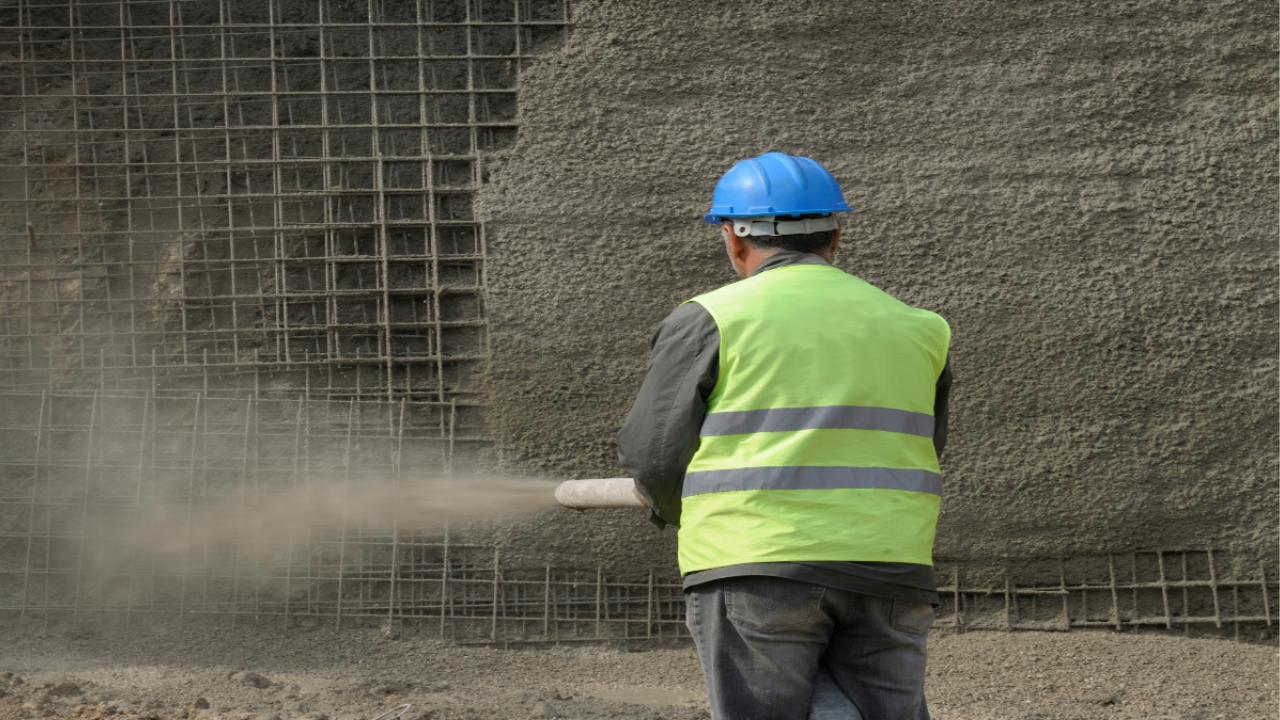
Shotcrete delivers major benefits that help builders achieve stronger structures, faster timelines, and reliable results across Melbourne projects with challenging conditions and tight access.
Safety is crucial during shotcrete work because high-pressure equipment, rebound, and tight access areas demand well-trained crews and strict onsite controls.
Urban Pour has built a strong reputation in Melbourne by delivering shotcrete work that meets high structural standards while keeping projects running smoothly.
The team is made up of skilled nozzle operators and technicians who understand how to manage pressure, moisture, and coverage so every layer compacts cleanly and bonds with strength.
Each project begins with careful planning, mix control, and onsite preparation to ensure accuracy from the first pass to the final finish. Urban Pour also uses reliable equipment and strict quality checks to avoid rebound, weak spots, or uneven buildup.
Builders appreciate the clear communication, safe work practices, and consistent timelines that help prevent delays across busy sites, from pool shells and retaining walls to basements and civil structures.
Urban Pour brings experience, precision, and a customer-first approach. This commitment makes them a trusted choice for anyone wanting dependable shotcrete results across Melbourne.
Shotcrete delivers strength, speed, and versatility for projects that need reliable performance without the delays of traditional concrete methods. Its ability to bond instantly, wrap reinforcement, and shape complex forms makes it a trusted solution across Melbourne construction.
With the right crew, it becomes even more effective. If you want dependable results for your next build, reach out to Urban Pour for expert shotcrete support and a smooth, stress-free project experience.
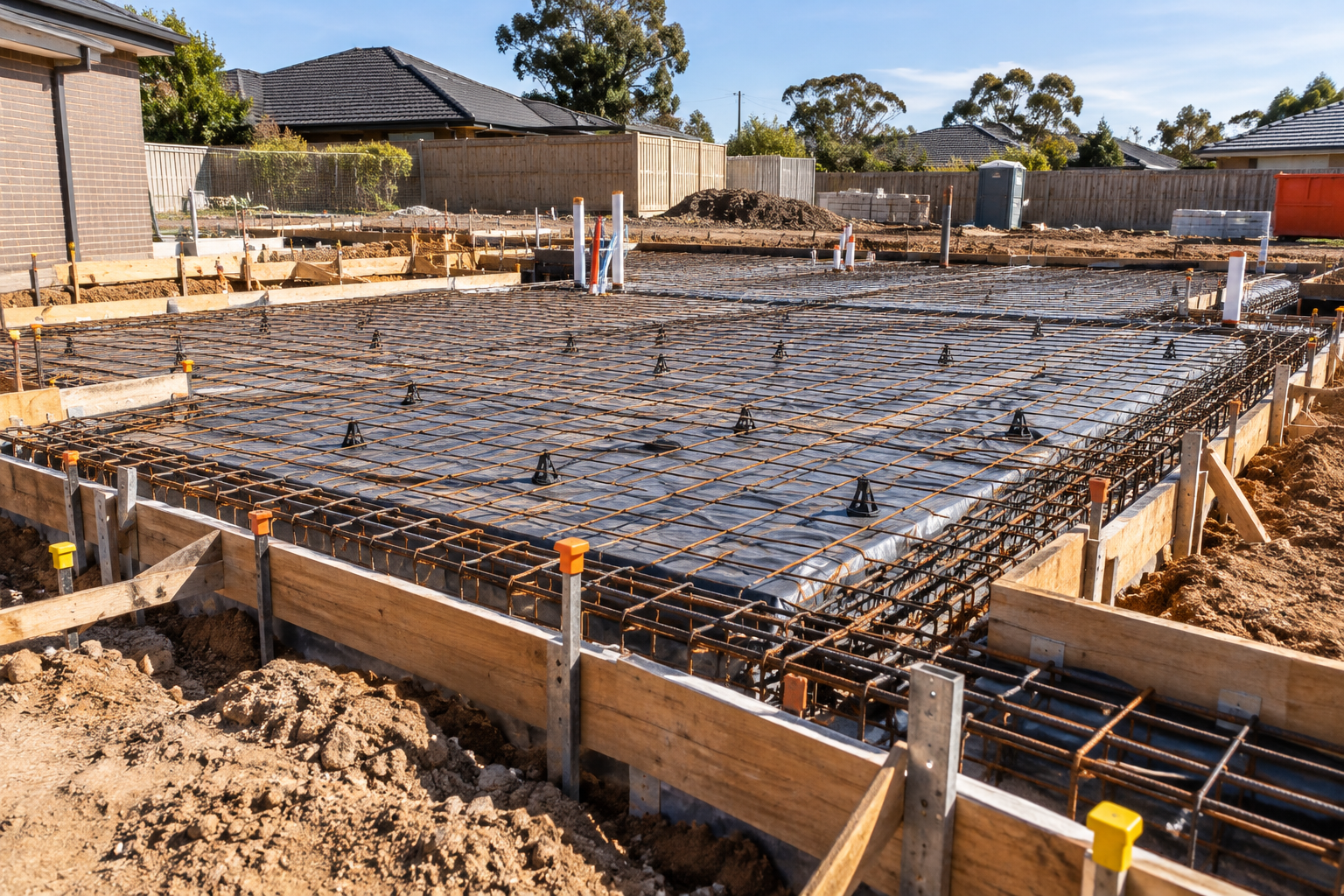
Learn how concrete slabs are designed and built in Australia, including slab types, site classification, reinforcement, pouring, curing and the standards that govern each stage.
See more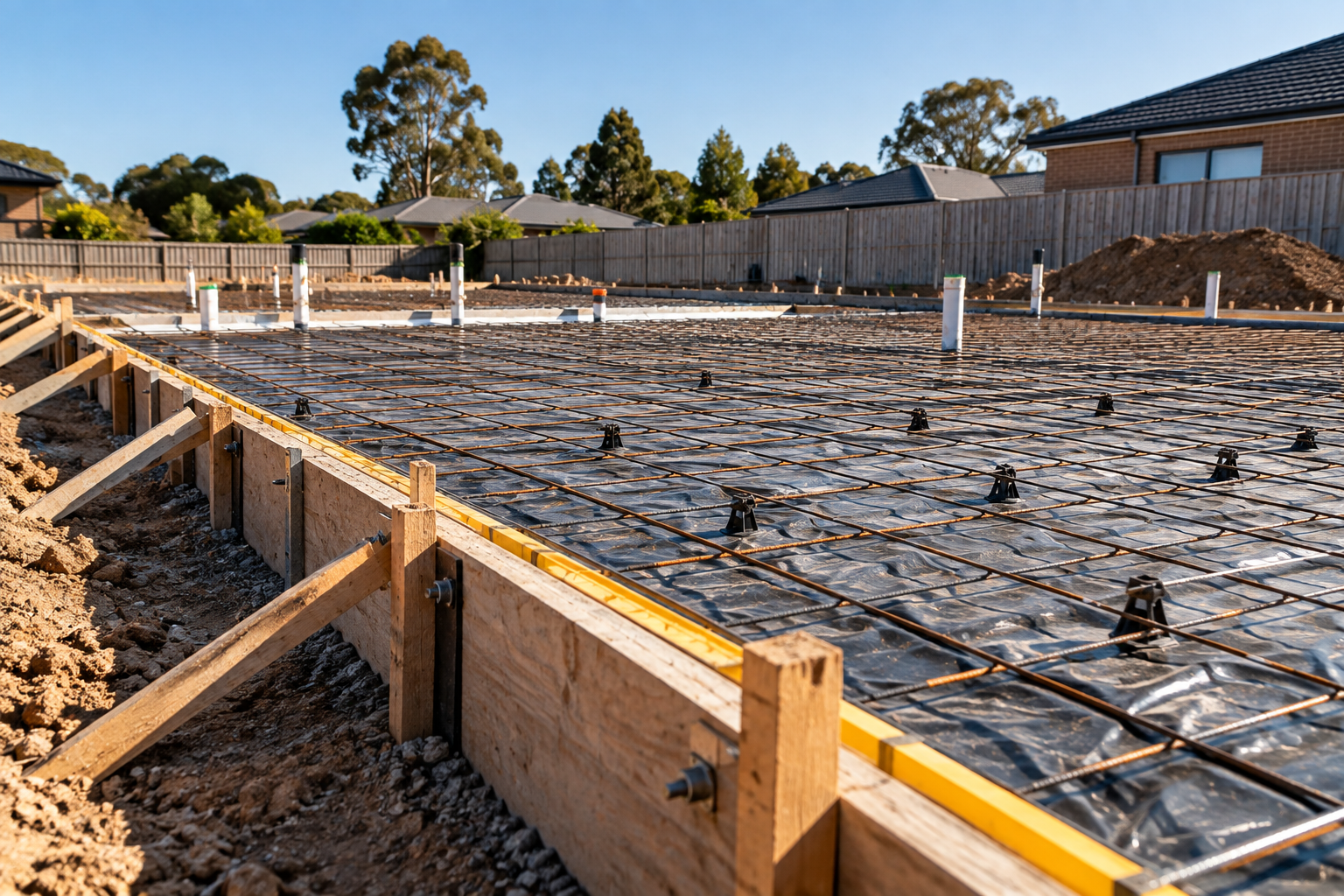
Calculate concrete slab volume in cubic metres, then account for beams, thickenings, waffle pods, subgrade tolerance and pump losses before ordering.
See more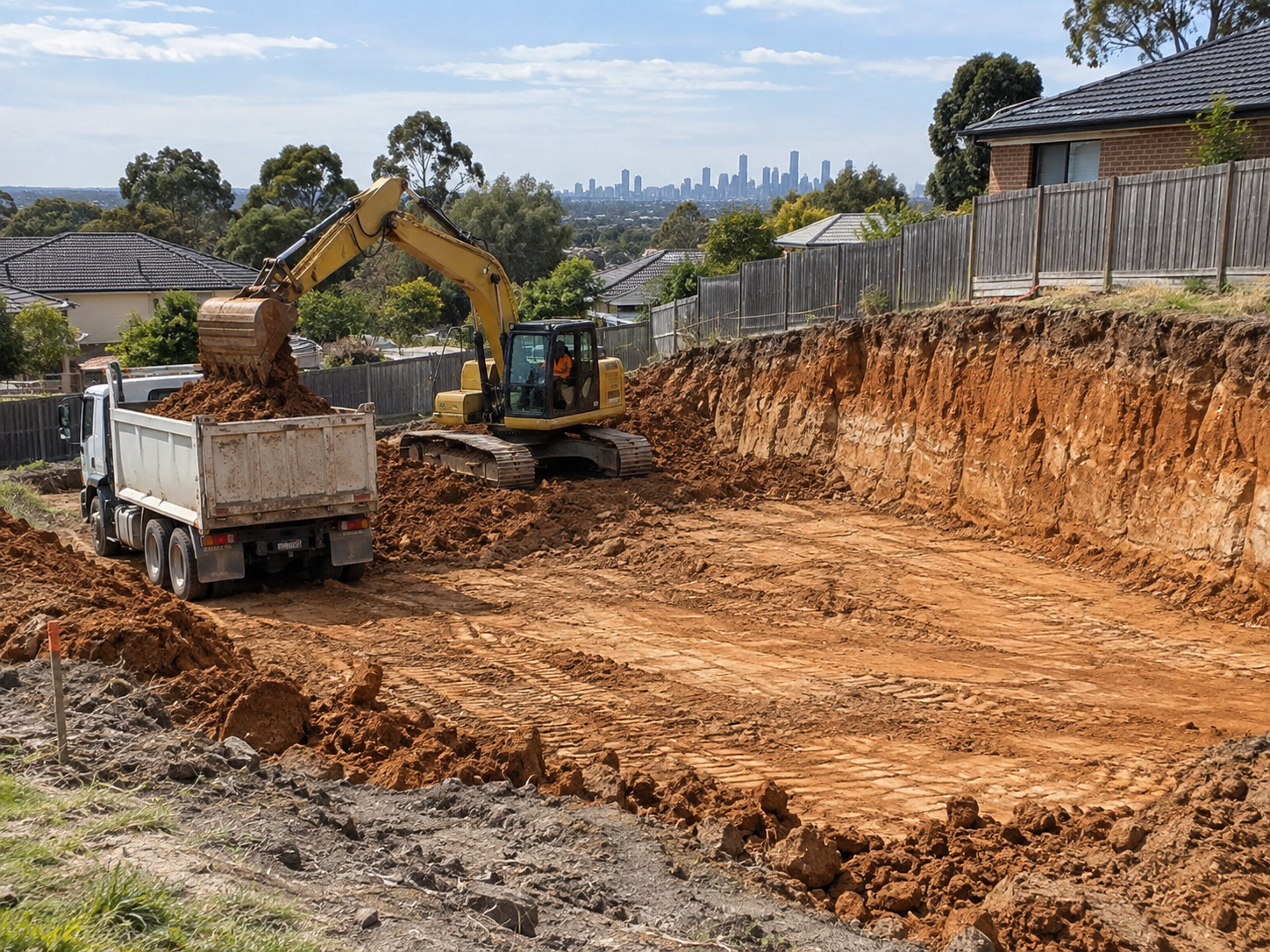
Site cut vs site benching explained for Melbourne builders, including excavation methods, safety requirements, ground conditions and what to check before earthworks begin.
See more