
Melbourne’s Leading Concrete Pouring Specialists
Oops! Something went wrong while submitting the form.
.png)
Concrete pouring plays a vital role in Melbourne’s residential and commercial construction. From driveways and footpaths to large slabs and foundations, every pour shapes the quality, strength, and lifespan of a structure.
As 2025 brings new materials, sustainability standards, and efficiency expectations, planning and proper execution have never been more important.
This guide walks through each stage of the process, from preparation to finishing, helping you understand how professional concrete pouring ensures long-lasting results for any Melbourne project.
Every successful pour starts with a solid plan. Before any concrete arrives on site, the area must be carefully assessed for design, permits, and environmental factors. In Melbourne, this often includes checking council regulations and compliance with AS 3600, Australia’s concrete design standard.
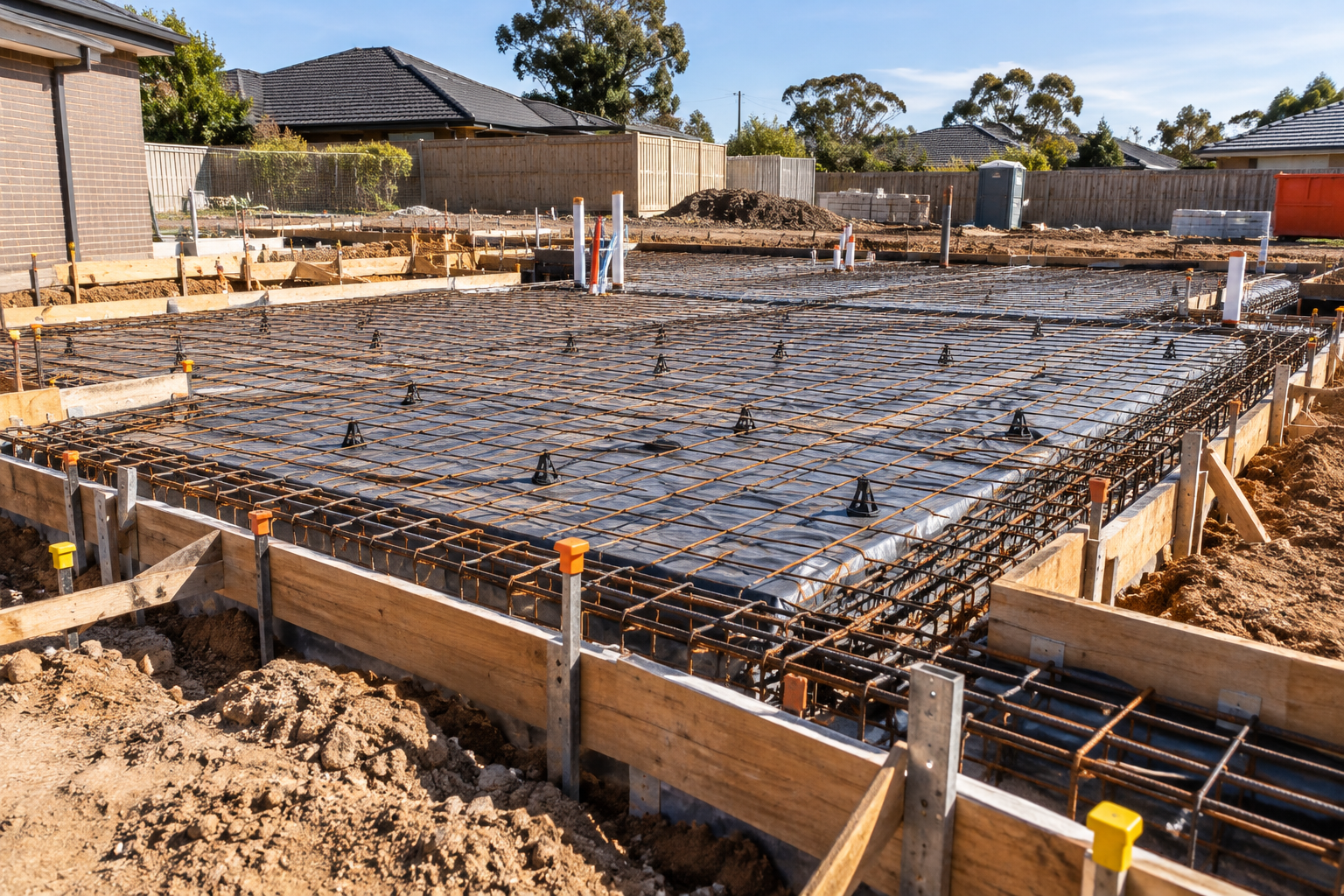
Once approvals are in place, the next step involves soil testing and ground stabilisation. This ensures the base can support the structure without movement or cracking. The site is then cleared, excavated, and formwork is set to define the slab’s boundaries.
Drainage and level checks follow, which are critical steps for preventing water pooling and ensuring an even finish.
Selecting the right mix determines how well your concrete performs. Melbourne projects typically use three main types:
In 2025, sustainable concrete options are gaining traction. Low-carbon cement, recycled aggregate, and climate-adapted formulations help reduce environmental impact while maintaining performance. Urban Pour works closely with local batching plants to ensure each mix suits the project type, weather, and load requirements.
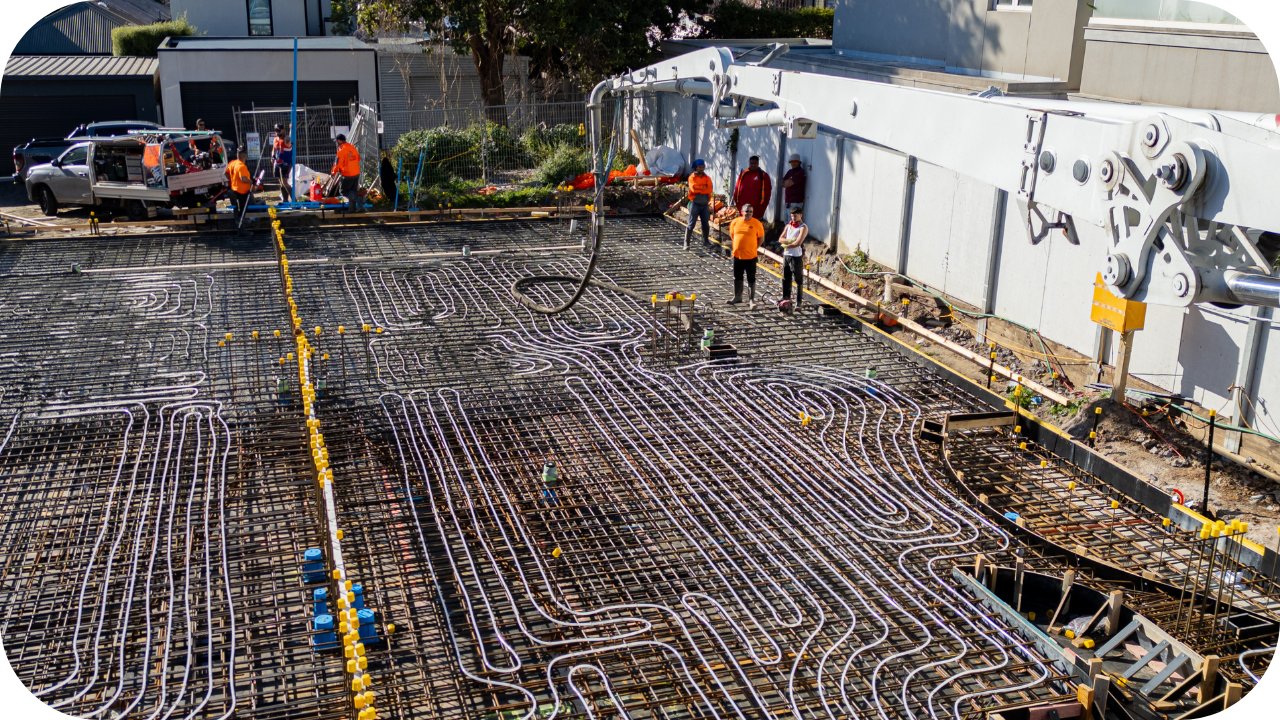
Formwork shapes the concrete and provides the structure it needs to cure correctly. Common materials include timber for small residential pours, steel for high-load applications, and plastic systems for reusability and precision.
Reinforcement is equally crucial. Rebar and mesh are positioned within the formwork to give the slab tensile strength and prevent cracking. Before pouring, professionals inspect the reinforcement and formwork alignment to confirm compliance and durability. Skipping this check can lead to uneven curing or costly repairs later.
Concrete pouring is where preparation meets precision. Once the mix is delivered to the site, it’s placed using one of two main methods:
Urban Pour uses both methods depending on project access and complexity. The concrete is poured in layers, spread evenly, and carefully levelled to maintain a consistent thickness. Proper coordination between pump operators and finishers ensures smooth, efficient placement without delays or waste.
After placement, concrete must be compacted to remove air pockets that can weaken the structure. Mechanical vibrators or hand tools help achieve a dense, uniform mix. Once compacted, the surface is screeded, a process that evens out the top layer to create a consistent level.
Professional crews use laser levels to verify slope and alignment, especially for driveways or surfaces requiring water runoff. Getting this stage right sets the foundation for a smooth, durable finish.
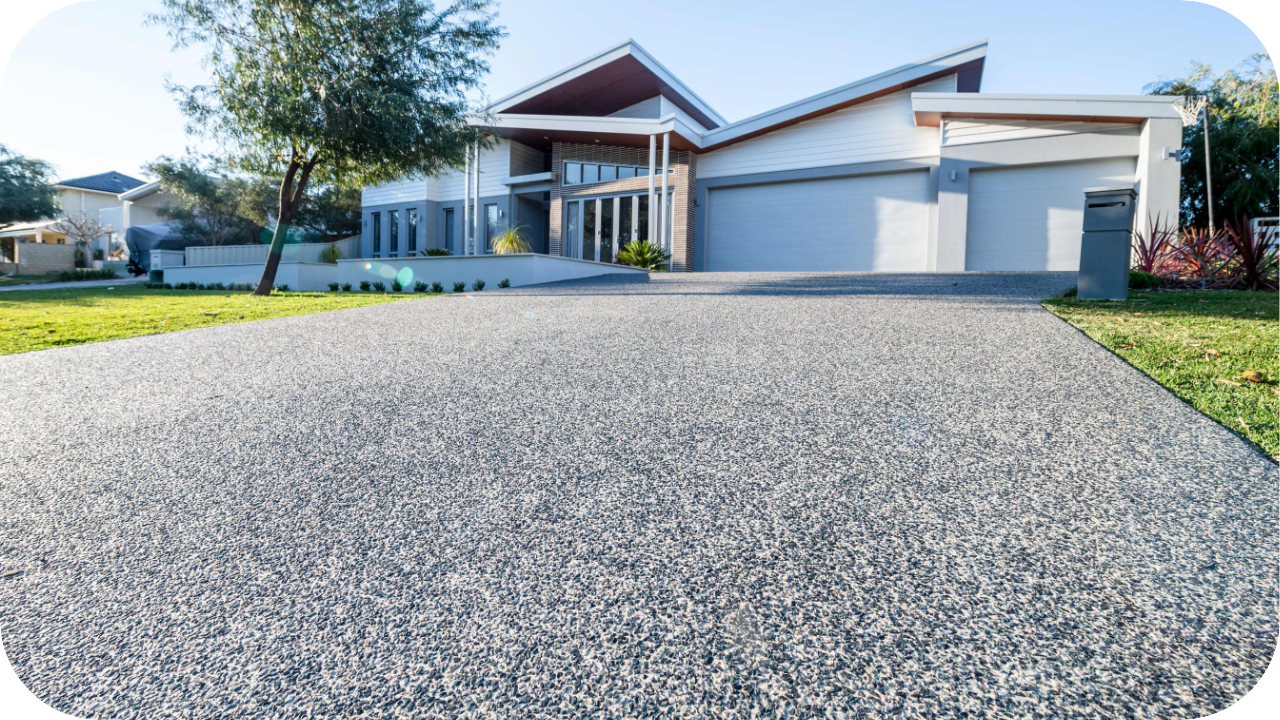
Finishing defines the look and performance of your concrete. Depending on the project, options include:
Timing is key, finish too early and the surface may mark, too late and it becomes rough. Urban Pour offers tailored finishes, including custom exposed aggregate styles that elevate both residential and commercial spaces.
Curing is one of the most important yet often overlooked steps. It allows the concrete to gain full strength and durability. Melbourne’s unpredictable weather in 2025 makes proper curing even more essential.
Common methods include water curing, applying curing compounds, or covering with plastic sheets to retain moisture. This process typically lasts 7–14 days. During this time, concrete should be protected from foot traffic, vehicles, and harsh weather to prevent cracks or surface damage.
Concrete pouring costs in Melbourne vary depending on several factors, including the size and complexity of the project, slab thickness, site accessibility, and the type of finish required. Decorative surfaces, additional reinforcement, or specialised pumping methods can also influence pricing.
Because every project has its own requirements, there isn’t a single fixed rate that applies to all jobs. Instead, the focus should be on understanding what’s included in the service, from preparation and formwork to finishing and curing.
Engaging professionals ensures your concrete is poured efficiently and built to last. Urban Pour offers detailed on-site assessments and transparent quotes, helping homeowners, builders, and developers plan accurately and achieve durable, high-quality results that align with their design goals and budget.
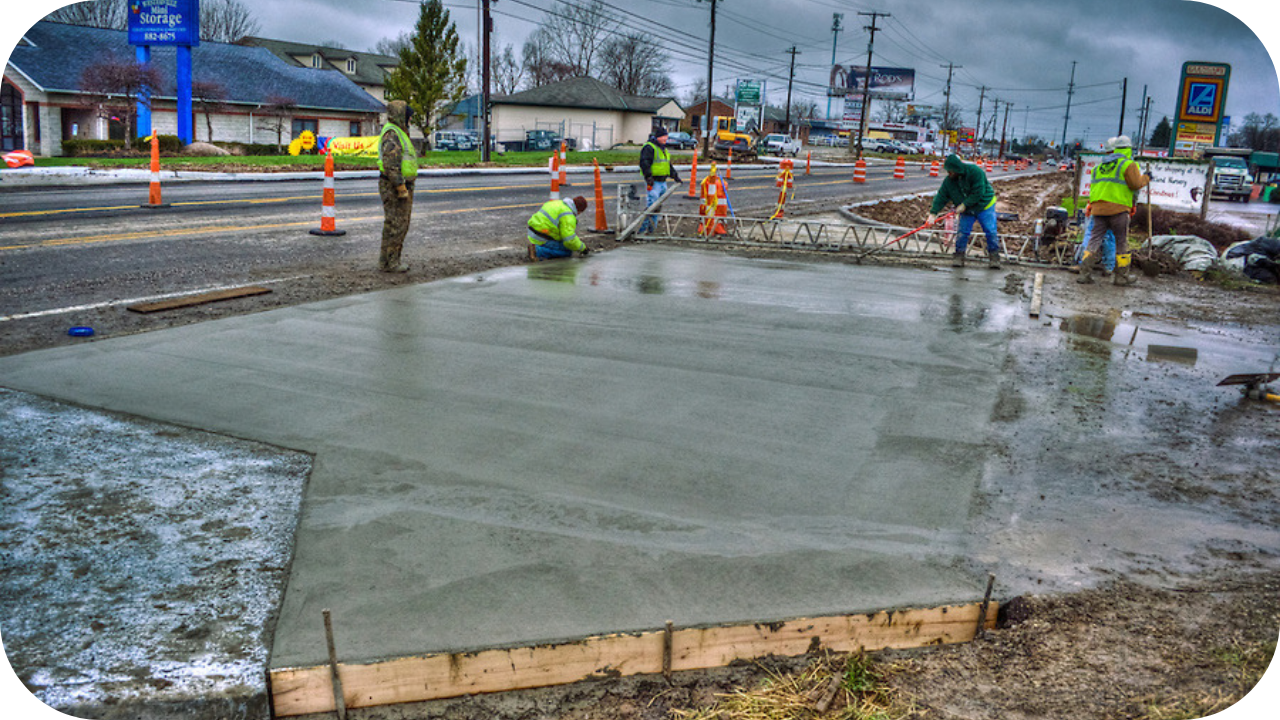
Concrete work can face several on-site challenges, but most are preventable with proper planning, experience, and communication between contractors and clients.
Concrete pouring might look straightforward, but small errors can lead to major structural problems later. Urban Pour is a trusted name in Melbourne’s residential and commercial concrete industry, known for its precision, reliability, and hands-on approach.
The team combines years of experience with modern techniques to deliver strong, high-quality results built to last. Here are ten reasons to choose Urban Pour for your next concrete project:
Concrete pouring brings together preparation, skill, and precision to create structures built for the long haul. From setting the formwork to final curing, every stage shapes the strength, finish, and performance of your surface.
With Melbourne’s evolving construction standards in 2025, choosing the right team makes all the difference between a quick job and a lasting investment. Urban Pour takes pride in delivering professional concrete pouring backed by experience, modern equipment, and attention to detail.
Whether it’s a driveway, slab, or complete project, you can count on our team to deliver quality and consistency from start to finish. Contact Urban Pour today to discuss your next project and get a reliable, tailored concrete solution built to last.
Learn how concrete slabs are designed and built in Australia, including slab types, site classification, reinforcement, pouring, curing and the standards that govern each stage.
See more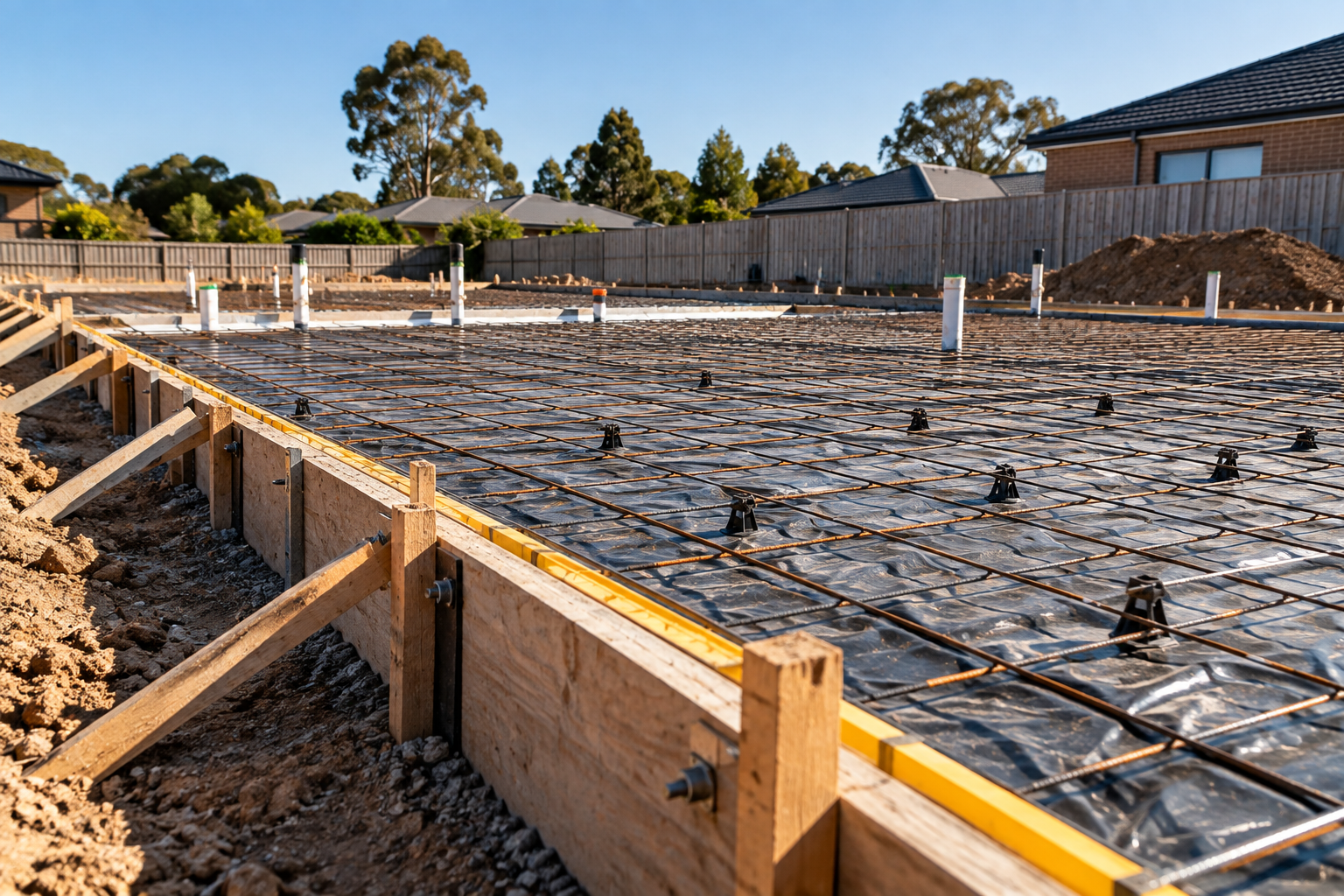
Calculate concrete slab volume in cubic metres, then account for beams, thickenings, waffle pods, subgrade tolerance and pump losses before ordering.
See more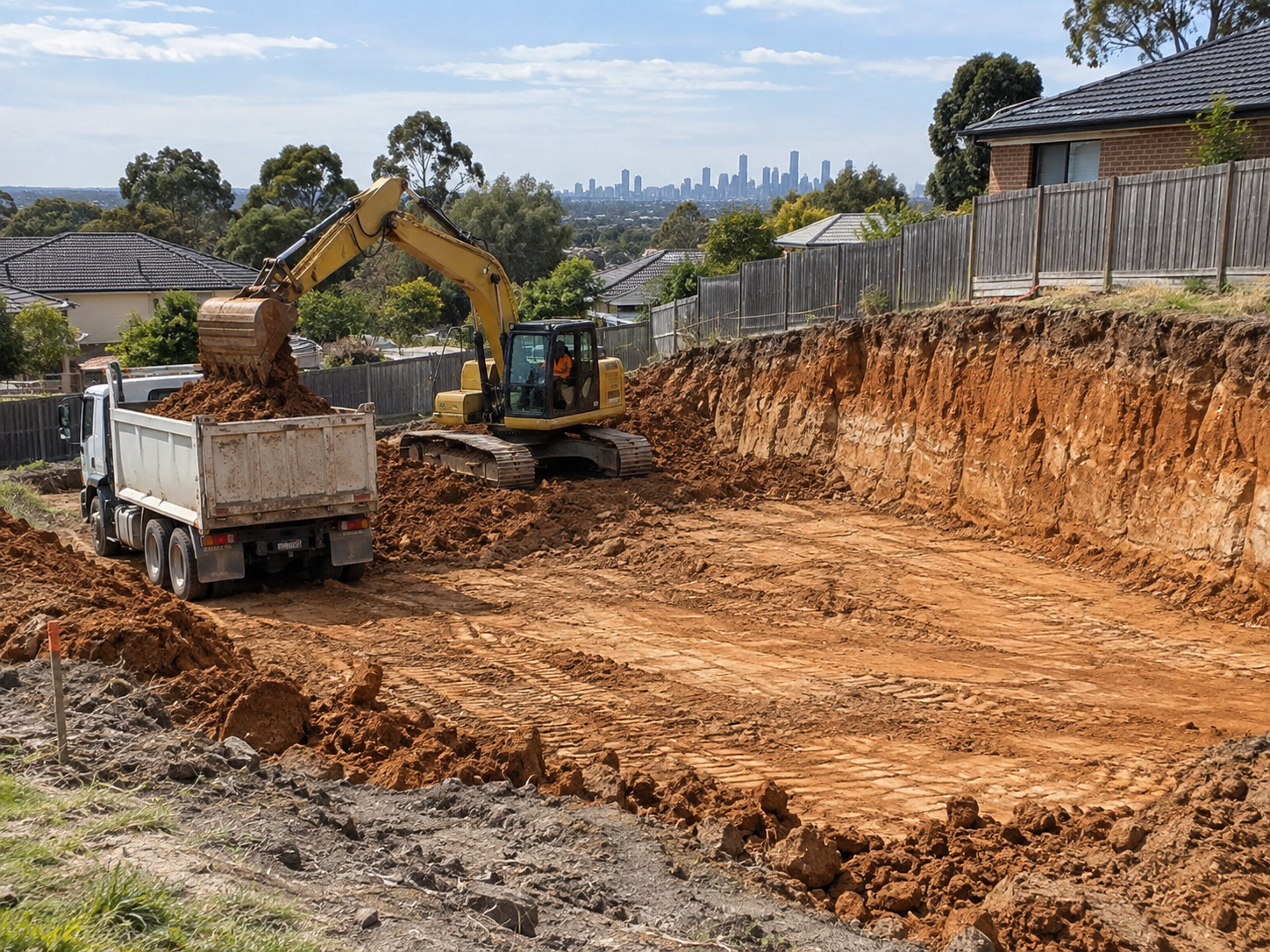
Site cut vs site benching explained for Melbourne builders, including excavation methods, safety requirements, ground conditions and what to check before earthworks begin.
See more